

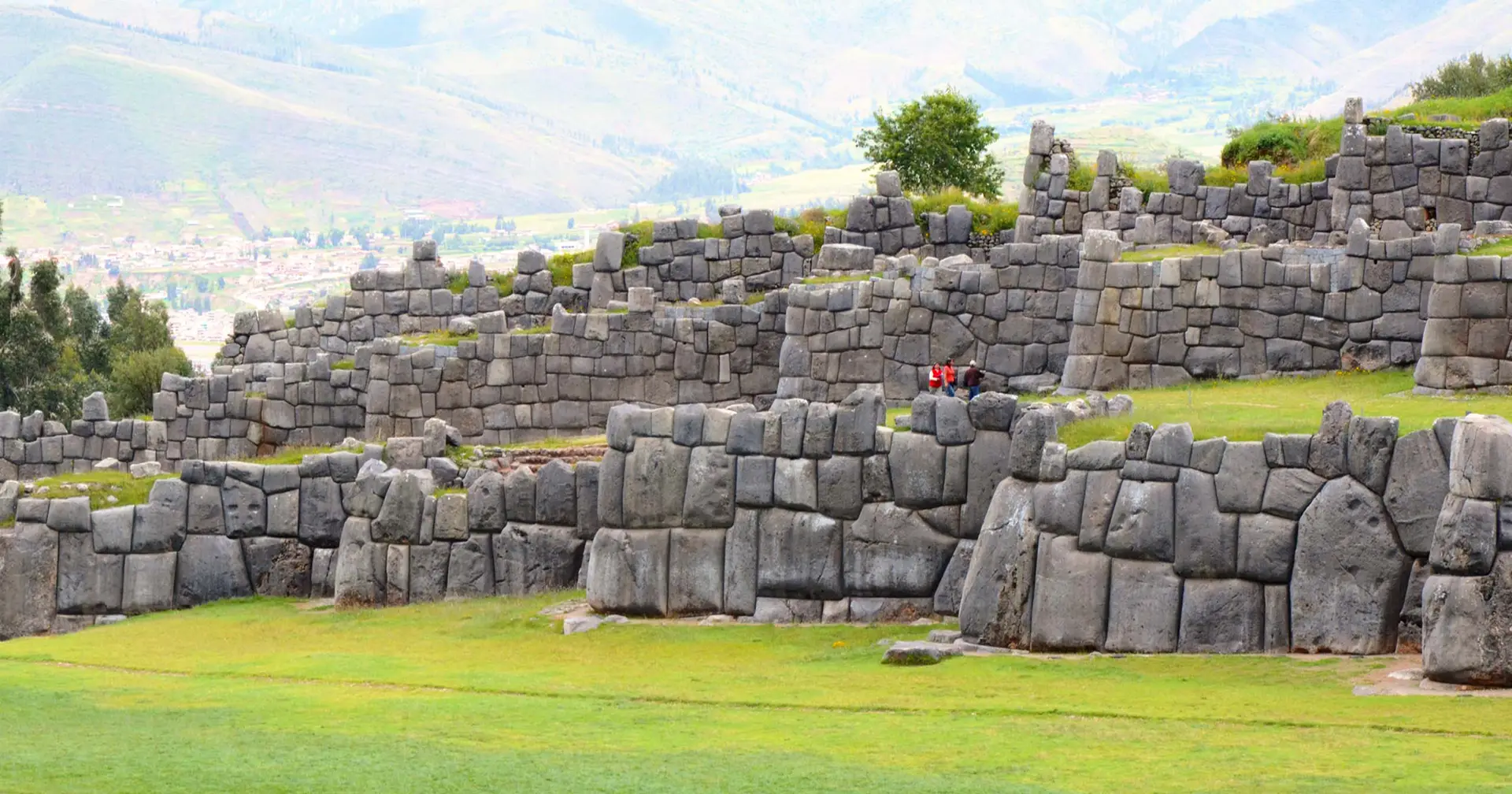
Standing before the colossal zigzag walls of Sacsayhuaman, a single question inevitably crosses every traveler's mind: How is this geometrically possible? Perched high above the city of Cusco, this megalithic complex represents the absolute pinnacle of ancient engineering. The Incas achieved this without wheels, without iron tools, and without a written language. In many ways, the precision of Sacsayhuaman is as breathtaking as the native Andean ingredients we celebrate in our Cusco culinary studio—both are deeply rooted in a profound respect for the Earth.
The Head of the Puma
To understand Sacsayhuaman, you must first understand how the Incas viewed their capital. Cusco was designed in the shape of a giant Puma, a sacred animal representing the earthly realm (Kay Pacha). The main city formed the body, and Sacsayhuaman formed the head. The three massive, terraced walls that dominate the site are intentionally designed in a zigzag pattern, representing the sharp, menacing teeth of the puma.
Moving 100-Ton Stones
The largest stones at Sacsayhuaman weigh upwards of 100 to 120 tons. Modern engineers continue to marvel at how these monolithic limestone blocks were transported from quarries located miles away across rugged Andean terrain. The consensus is that thousands of men used a system of thick ropes, log rollers, and ramps to drag the stones. However, the true mystery lies not just in moving them, but in fitting them together.
The stones are joined with such immaculate precision that a single sheet of paper cannot be wedged between them. The Incas used "scribing" techniques, shaping the stones with harder river cobbles (like diorite) to match the irregular contours of the stones below them perfectly. This mortarless, interlocking design made the fortress virtually earthquake-proof.
"Sacsayhuaman is not merely a fortress; it is a declaration of human willpower. The stones do not just rest upon one another—they embrace in an eternal puzzle that defies time and gravity."
Water and War: Tambomachay & Puka Pukara
The archaeological wonders of the upper Cusco circuit extend beyond Sacsayhuaman. Just a few miles away lies Puka Pukara, the "Red Fortress." Built with a distinct, iron-rich stone that glows red at dusk, this site served as a military checkpoint and administrative center, guarding the routes leading to the Sacred Valley.
Further up the road is Tambomachay, often referred to as the "Inca Baths." This beautiful site showcases a different, more delicate side of Inca engineering: hydraulics. Crystal-clear spring water flows continuously through perfectly carved stone aqueducts and ceremonial fountains. It was a sacred temple dedicated to the worship of water, an element vital to the agriculture that sustained the empire.
Witness the Megaliths in Person
Don't just read about the mysteries of the Incas—walk among them. Our comprehensive Cusco City Tour & Sacsayhuaman takes you on a guided journey through the megalithic fortress, Puka Pukara, Tambomachay, and the colonial heart of Cusco, ensuring you don't miss a single historical detail.
View the Complete City Tour Itinerary