

While Peru is globally celebrated for giving the world over 4,000 varieties of native potatoes, the extreme altitudes of the Andes mountains hide an extraordinary pantry of nutrient-dense ancient crops. Domesticated thousands of years ago by pre-Inca and Inca farmers to survive harsh mountain climates between 2,500 and 4,200 meters (8,200 to 13,700 ft) above sea level, these Andean superfoods have sustained indigenous communities for millennia—and today, they are the shining stars of modern Peruvian fine dining.
Whether you are exploring local markets in Cusco or stepping into our kitchen, here are the five essential Peruvian superfoods you need to taste and cook with on your trip.
1. Quinoa (Chisaya Mama): The Sacred Mother Grain of the Incas
Cultivated for over 5,000 years across the high plateaus surrounding Lake Titicaca and the Cusco valleys, quinoa was revered by the Incas as Chisaya Mama—literally translated from Quechua as the "Mother of All Grains." Although cooked like a grain, quinoa is botanically a gluten-free pseudo-cereal and one of the few plant foods on Earth that provides a complete protein, containing all nine essential amino acids alongside high levels of magnesium, iron, and fiber.
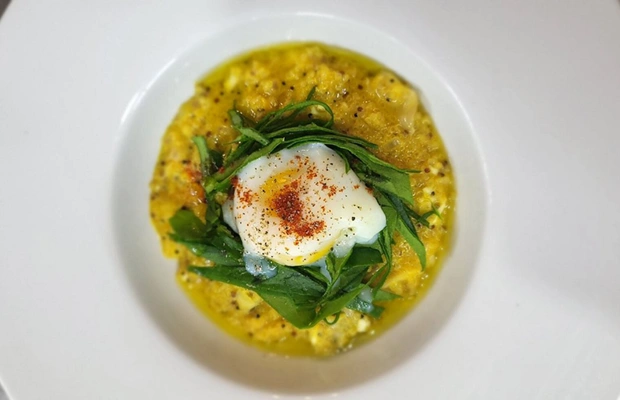
In Cusco, you will find three primary varieties—ivory white (fluffy and delicate), Andean red (nutty and firm), and black quinoa (earthy and crunchy). In our hands-on Peruvian cooking classes in Cusco, we elevate this ancient seed in two signature ways: simmering it with yellow chili (ají amarillo) into a creamy, modern Tri-Colored Quinoa Risotto (Quinotto) for lunch, and toasting it to create a crispy, golden crust over our sous vide alpaca tenderloin for dinner.
2. Cushuros (Murmunta): The Wild "Caviar of the Andes"
Perhaps the most surprising and fascinating ingredient you will encounter in Cusco is Cushuro (Nostoc sphaericum), affectionately known by Peruvian chefs as the "Caviar of the Andes." Growing wild in crystal-clear, unpolluted high-altitude glacial lagoons above 3,800 meters (12,467 ft), Cushuros are spherical, gelatinous blue-green cyanobacteria colonies that look just like translucent emerald pearls or dark green grapes.
Harvested since Inca times to enrich mountain stews (picantes), Cushuro is a nutritional powerhouse: by dry weight, it contains more protein than meat and more calcium than milk, plus high concentrations of bioavailable plant iron. On the palate, it has a clean, subtle mineral flavor and a delicate "pop" that absorbs bright citrus dressings effortlessly.
"In our evening menu, we pair high-altitude Andean Cushuros with fresh fish, avocado, and Japanese-Peruvian ponzu in our Mi-Cuit Nikkei Style Tiradito—bridging ancient Inca nutrition with contemporary culinary artistry."
3. Maca Root: The High-Altitude Incan Adaptogen
Often called "Peruvian Ginseng," Maca (Lepidium meyenii) is a cruciferous root vegetable related to the radish and turnip that thrives where almost no other crop can survive: on the freezing, windswept Andean puna plateaus above 4,000 meters (13,123 ft). According to Spanish chronicles, Inca imperial warriors consumed boiled and sun-dried maca root before charging into battle to boost physical stamina, mental focus, and high-altitude endurance.
Today, maca is recognized worldwide as a potent natural adaptogen that helps balance hormones and combat fatigue. Dried and stone-ground into a fine flour, it offers a warm, malty, butterscotch-like flavor that pairs wonderfully with smoothies, oatmeal, coffee, and artisanal Peruvian chocolates. Look for gelatinized maca (pre-cooked for easy digestion) in yellow, red, or black varieties.
4. Kiwicha (Andean Amaranth): The Tiny Powerhouse Seed
Another sacred crop that was nearly lost during the Spanish conquest—when colonial authorities banned its cultivation due to its role in indigenous religious ceremonies—Kiwicha (Amaranthus caudatus) has made a triumphant return in the Sacred Valley and Cusco. These tiny golden seeds are exceptionally rich in protein, dietary fiber, phosphorus, and lysine, an essential amino acid rarely found in plant grains that aids calcium absorption.
In fact, because of its unmatched nutrient density and ease of digestion, NASA famously selected kiwicha as part of the diet for astronauts on space missions. As you walk through Cusco, you will see it toasted and puffed into airy white pearls (kiwicha pop) used to add a delicate, nutty crunch to fruit parfaits, energy bars, and morning yogurts.
5. Lúcuma: The Sweet "Gold of the Incas"
Moving from grains and roots to the fruit kingdom, Lúcuma (Pouteria lucuma) is a subtropical fruit native to the inter-Andean valleys of Peru, depicted on ceremonial ceramics by the pre-Inca Moche civilization over 2,000 years ago. Beneath its deep green skin lies a bright, egg-yolk-yellow flesh with a dry, starchy texture when raw—but when blended or milled into a puree, it transforms into pure culinary gold.
Rich in beta-carotene, iron, zinc, vitamin B3 (niacin), and antioxidants, lúcuma has a naturally low glycemic index and an intoxicating flavor profile reminiscent of maple syrup, caramel, and roasted sweet potato. In Peru, lúcuma ice cream, mousses, and fruit parfaits easily outsell chocolate and vanilla.
Where to Taste & Buy Authentic Andean Superfoods in Cusco
The best place to see, touch, and purchase all five of these superfoods in one place is the historic San Pedro Central Market in Cusco. In the grain and fruit aisles, local vendors sell sacks of tri-colored quinoa, popped kiwicha, fresh high-altitude cushuros, and organic maca powder. Better yet, every Lunch and Dinner session at Taste Peru begins with a 1-hour guided market tour where our chefs introduce you directly to our trusted market vendors before we walk two blocks to our colonial studio to cook with these very ingredients.
Cook with Ancient Andean Superfoods in Cusco
Want to taste the "Caviar of the Andes" in a Nikkei Tiradito or master a creamy Tri-Colored Quinoa Risotto? Join our fully hands-on Lunch or Dinner Cooking Class—including a guided San Pedro Market tour and Pisco Sour workshop.
Reserve Your Cooking Class Spot