

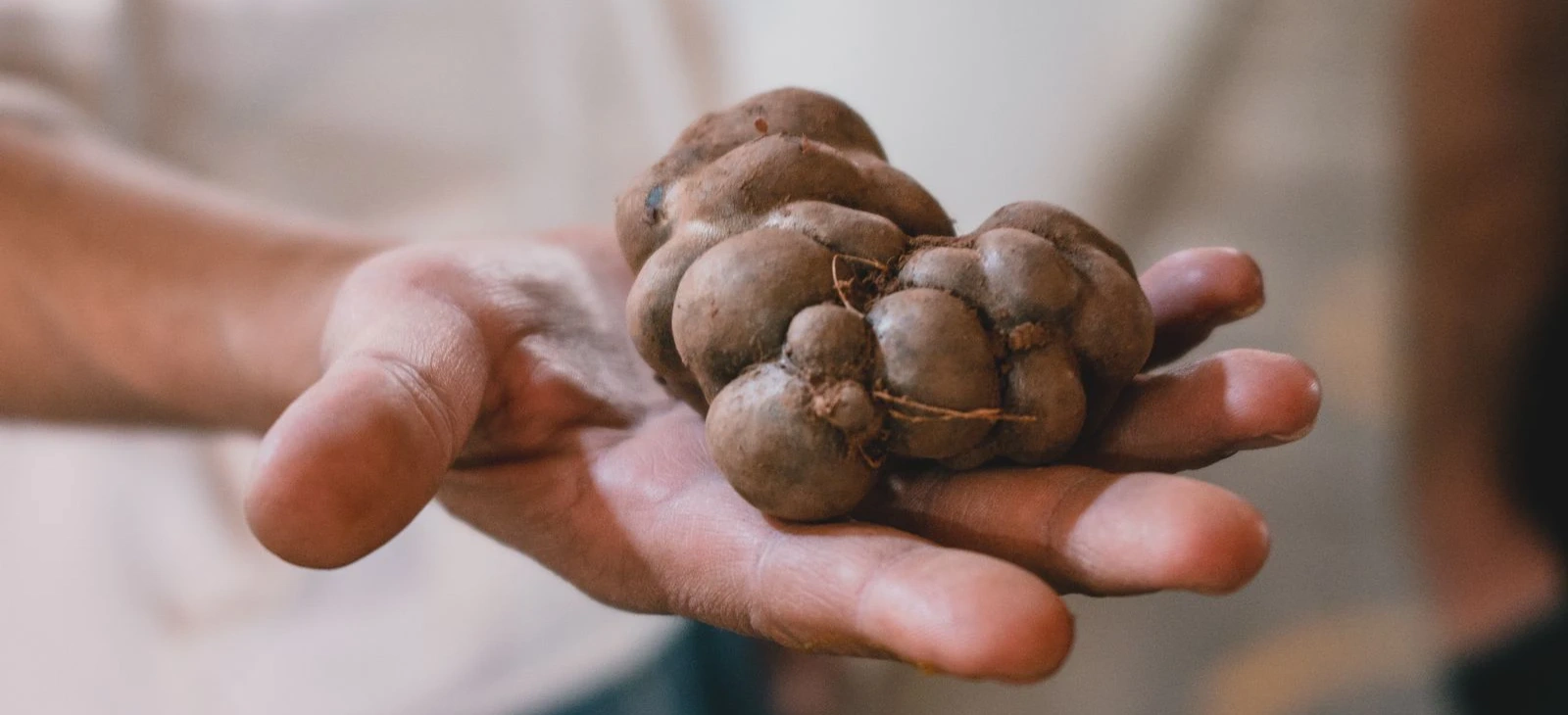
When most people think of potatoes, they picture a handful of uniform brown or white spuds sitting in a supermarket bin. Here in Peru, however, the potato (Solanum tuberosum, or Papa in Quechua) is not merely a side dish—it is the foundation of Andean civilization and Peru's greatest agricultural gift to humanity. During our hands-on Peruvian cooking classes in Cusco, introducing travelers to the dazzling colors, textures, and history of this ancient tuber is one of our favorite moments.
8,000 Years of Andean Domestication & Inca Science
Botanical and archaeological evidence shows that the wild potato was first domesticated between 8,000 and 10,000 years ago in the high Andes of southern Peru, just north of Lake Titicaca. Over millennia, pre-Inca and Inca farmers selectively bred thousands of varieties to withstand frost, drought, and steep mountain slopes at elevations ranging from 3,000 to over 4,300 meters (9,800 to 14,100 ft) above sea level.
Using microclimate agricultural terraces—such as the circular stone amphitheaters of Moray in the Sacred Valley—the Incas turned potato cultivation into a science. Even more remarkably, they invented the world’s first freeze-dried food: Chuño (black) and Moraya / Tunta (white). By exposing bitter high-altitude potatoes to sub-zero night frosts in June and July, pressing out the water by foot, and drying them under the intense mountain sun, the Incas created lightweight tubers that could be stored in imperial granaries (qullqas) for decades—ensuring zero famine across the empire.
"In the Andes, the potato is not merely food. It is the heartbeat of Pachamama (Mother Earth), carrying 8,000 years of ancestral wisdom in every color and shape."
An Explosion of Biodiversity: 6 Must-Know Peruvian Potatoes
Of the roughly 5,000 potato varieties that exist on Earth today, more than 4,000 native varieties (papas nativas) grow in the Peruvian Andes. When you walk with our chefs through the San Pedro Central Market in Cusco, you will encounter tubers that look like jewels—marbled with magenta, deep violet, gold, and crimson. Here are six essential varieties every food lover should know:
- Papa Amarilla Tumbay (Yellow Potato): The crown jewel of Peruvian kitchens. With a dense, dry, deeply golden flesh that tastes naturally infused with butter, it crumbles effortlessly when boiled and is essential for making Causa Limeña and velvety purées.
- Papa Huayro: Elongated with reddish-pink skin and a floury yet firm yellow interior. Highly absorbent and flavorful, it is the ultimate potato to soak up spicy Andean sauces like uchucuta or creamy Huancaína sauce.
- Papa Leona & Wenccos (Purple & Blue Native Potatoes): Stunning heirloom tubers cultivated above 3,800 meters, featuring dark skins and deep violet-blue marbled flesh packed with anthocyanin antioxidants.
- Papa Peruanita: Easily recognized by its two-tone red and yellow skin, offering a thin peel and a sweet, chestnut-like flavor ideal for roasting or boiling whole.
- Papa Canchán (Pink Potato): Smooth pink skin with a firm, waxy texture that holds its shape under high heat—making it the top choice for Lomo Saltado french fries and stuffed potatoes (Papa Rellena).
- Papa Qompis: A beloved Cusco highland variety cherished for baking inside traditional Pachamanca underground earth ovens.
Beyond the Potato: Oca, Olluco & Mashua
While exploring Cusco's markets or visiting the high-altitude farms of the Amaru weaving community, you will also spot three other colorful tubers that grow side-by-side with native potatoes in traditional Andean crop rotation:
- Oca (Oxalis tuberosa): Wrinkled, brightly colored red, yellow, and orange tubers rich in vitamin C. Left in the Andean sun for a few days, their starches convert to sugars, giving them a sweet, tangy flavor reminiscent of roasted apricot and sweet potato.
- Olluco (Ullucus tuberosus): Neon-yellow, magenta, orconfetti-spotted tubers with a crisp, waxy crunch even after cooking—famous as the star of Olluquito con Charqui.
- Mashua (Tropaeolum tuberosum): Conical tubers closely related to nasturtiums, prized in traditional Andean medicine and slow-roasted over hot volcanic stones to turn their peppery bite into sweet, earthy perfection.
How We Cook with Native Tubers in Our Cusco Studio
Today, Peru’s papas nativas are celebrated by the world’s top chefs. In our colonial cooking studio in Cusco, we honor the indigenous farmers who preserve these heirloom seeds. During our evening Dinner Cooking Class, you will roast a colorful medley of organic native tubers seasoned with Maras pink mountain salt and toss them in a smoky Andean chimichurri alongside our signature quinoa-crusted sous vide alpaca tenderloin.
Shop, Cook & Taste Authentic Native Potatoes in Cusco
Want to taste the difference between a standard supermarket potato and a buttery, 3,800-meter Andean papa nativa? Join our hands-on Cusco Cooking Class & San Pedro Market Tour, or experience an ancestral Pachamanca Earth-Oven Feast in the Sacred Valley!
