

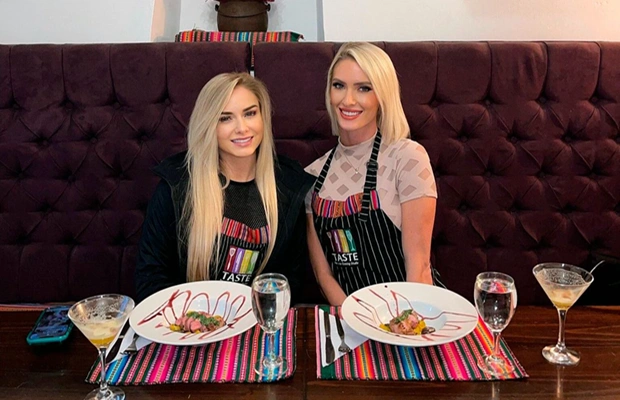
Ceviche is much more than a dish; it is the proud culinary flag of Peru. When travelers from all over the world join our cooking classes in Cusco, preparing a fresh, zesty ceviche is often the highlight of their experience. But how did this masterpiece of raw fish, citrus, and chili come to be?
The Pre-Inca Origins: The Moche Culture
Long before the Spanish arrived, and even before the Inca Empire expanded across the Andes, the coastal Moche culture (around 2000 years ago) was already preparing the ancient ancestor of ceviche. Because citrus fruits like limes didn't exist in South America yet, the Moche marinated their fresh catch of the day using the fermented juice of the local tumbo (banana passionfruit).
"Ceviche is the perfect marriage of the Pacific Ocean's bounty and the vibrant, ancient ingredients of the Andes."
The Inca Era and the Arrival of the Spanish
Later, during the Inca Empire, the fish was marinated using chicha, an ancestral fermented corn beverage. The dish was evolving, but it still lacked the sharp acidity we know today.
Everything changed in the 16th century. The Spanish conquistadors brought two ingredients that would forever alter Peruvian gastronomy: red onions and Mediterranean citrus fruits (bitter oranges and eventually limes). The fusion of the indigenous chili peppers (ají) and fish with the European lime and onion created the traditional Ceviche profile.
The Japanese Influence: Modern Ceviche and Tiradito
If you walked the streets of Lima a century ago, you would find that ceviche was marinated for hours, sometimes even overnight, effectively "cooking" the fish in acid. However, the arrival of Japanese immigrants to Peru introduced the meticulous techniques of sashimi. They taught Peruvians to treat the fish with extreme delicacy, cutting it precisely and mixing it with the lime juice just seconds before serving.
This Japanese influence also birthed the Tiradito, a dish we proudly teach in our Dinner Cooking Class, which combines sashimi-style cuts with a vibrant Peruvian-Japanese citrus sauce known as ponzu.
Master the Art of Ceviche in Cusco
Reading about it is fascinating, but making it yourself is unforgettable. Join our Le Cordon Bleu-trained chefs in our colonial studio to prepare authentic Peruvian Ceviche from scratch.
Book Your Cooking Class