

As late afternoon approaches and the high-Andean mountain air turns crisp, a completely different side of Cusco awakens. Warm yellow lanterns flicker on along the historic cobblestone streets, and the plazas fill with the intoxicating aroma of charcoal-grilled skewers, simmering spiced syrups, and roasted Andean corn. While Cusco boasts world-class fine dining, the true pulse of daily Cusqueño life—and centuries of living culinary history—is found by walking its streets and eating like a local.
Here is our chef’s guide to the most iconic street foods in Cusco, the fascinating history behind each bite, and how to enjoy them safely.
1. Ancestral Chirimoya & Exotic Juices at San Pedro Market
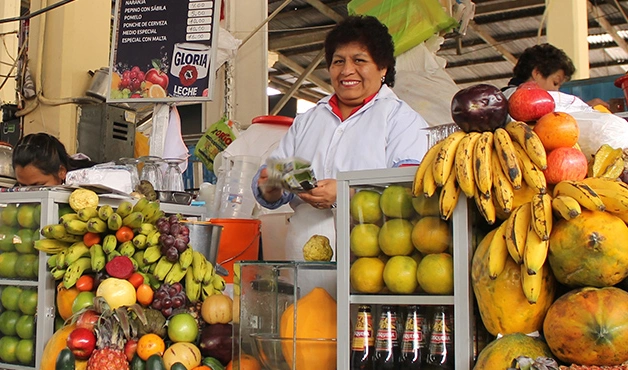
Every authentic culinary walk in Cusco begins inside the bustling San Pedro Central Market. Before the daytime vendors close up shop, a visit to the famous "Juice Ladies" (sección de jugos) is mandatory. The undisputed star here is fresh Chirimoya juice.
Cultivated in the inter-Andean valleys since pre-Inca times and immortalized on ancient Moche ceramics, the chirimoya (custard apple) was once described by Mark Twain as "the most deliciousness known to men." Its snowy white flesh has a naturally creamy, velvety texture and a tropical flavor profile that dances between banana, pineapple, and strawberry. Blended fresh to order—or paired with passion fruit (maracuyá) and lúcuma—it is the most refreshing way to kick off an afternoon food walk.
2. Pre-Columbian Cusco Tamales by the Plaza de Armas
As you stroll from the market toward the historic Plaza de Armas (ancient Huacaypata), keep an eye out for local women seated beside large woven baskets wrapped in colorful Andean blankets to trap the steam. Inside are traditional Cusco-style Tamales.
Long before the Spanish conquest, indigenous Andean communities stone-ground native corn into steamed ceremonial cakes called humintas. Today, authentic Cusqueño tamales are crafted exclusively from Giant White Corn (Maíz Blanco Gigante) grown in the nearby Sacred Valley. Wrapped in corn husks (pancas) and steamed for hours, you can choose between salado (savory dough filled with seasoned pork or chicken, yellow chili, and black olive) or dulce (sweet corn dough studded with raisins and cinnamon).
"Eating on the street in Cusco isn't just about grabbing a quick bite; it's about tasting the history hidden in every corner, where Inca crops, African techniques, and Spanish flavors merge on a single plate."
3. Anticuchos: The Sizzling Charcoal-Grilled Classic
As twilight settles over the Andes, small charcoal grills (parrillas) light up along local side streets. Follow the smoky aroma and you will find Anticuchos—Peru’s most beloved evening street food. During the Inca Empire, similar flame-roasted skewers were prepared using seasoned llama meat. In the 16th century, when Spanish conquistadors slaughtered cattle and discarded the organ meats, enslaved Africans and indigenous cooks ingeniously marinated beef heart in native chilies and spices, transforming a humble cut into a national delicacy.
The magic of a great Cusco anticucho lies in its 24-hour marinade: smoky sun-dried red chili (ají panca), crushed garlic, oregano, cumin, and red wine vinegar. Seared over glowing coals for just minutes, the skewers are remarkably lean, tender, and smoky—served piping hot skewered with a golden boiled native potato, giant corn, and a generous spoonful of uchucuta (Cusco’s spicy stone-ground rocoto and huacatay black mint sauce).
4. Choclo con Queso: Sacred Valley Giant Corn
Right beside the anticucho grills, you will spot steaming pots of Choclo con Queso. Unlike sweet yellow American corn, Sacred Valley Choclo features colossal, pearl-white kernels the size of large coins with a chewy, nutty, almost bread-like texture. Boiled in water infused with anise and sugar cane to keep the kernels plump, it is served warm on the cob with a thick slice of salty, artisanal Andean fresh cheese (queso paria).
5. Picarones: The Crispy Afro-Peruvian Sweet Legacy
To balance the savory heat of the anticuchos and uchucuta, locals line up around bubbling cauldrons for Picarones. Often nicknamed "Peruvian doughnuts," picarones were created in colonial Peru when Afro-Peruvian cooks adapted Spanish buñuelos by replacing expensive imported wheat flour with mashed native sweet potato (camote) and giant Andean squash (zapallo macre) fermented with anise.
With practiced flick-of-the-wrist precision, the vendor drops rings of golden batter directly into hot oil by hand. Pulled fresh from the fryer—crispy on the outside and airy inside—they are generously drenched in warm miel de chancaca, an aromatic raw sugarcane syrup slow-simmered with fig leaves, cinnamon sticks, cloves, and orange peel.
6. The Grand Finale: Shaking Your Own Pisco Sour
After walking the cobblestone streets and tasting Cusco’s savory and sweet street classics, there is only one proper way to conclude the evening: with Peru's signature cocktail. Achieving the silky foam and balanced citrus punch of a true Peruvian Pisco Sour requires the right grape spirit and technique. That is why both our street food walk and our Peruvian cooking classes in Cusco culminate inside our private studio with a hands-on mixology session using premium Quebranta Pisco and fresh key limes.
Chef's Tips: How to Eat Street Food Safely in Cusco
- Follow the Local Crowds & High Turnover: Always choose established stalls where Cusqueño families are lining up; high turnover guarantees the ingredients are fresh and never sitting out.
- Look for High-Heat Cooking to Order: Stick to foods cooked over roaring flames, boiling water, or hot oil right before your eyes (like anticuchos, tamales, and picarones).
- Be Selective with Raw Market Juices: Only drink fresh fruit juices from vetted market vendors who use purified water and clean blenders—or join a chef-led tour where every stall is pre-inspected.
Taste All of This Safely with Our Culinary Team!
Want to experience the best chirimoya juices at San Pedro Market, authentic Cusco tamales, sizzling anticuchos, crispy picarones, and hidden local gems with zero food-safety worries? Join our 3-hour Cusco Street Food Walking Tour—ending at our studio with a hands-on Pisco Sour workshop!
